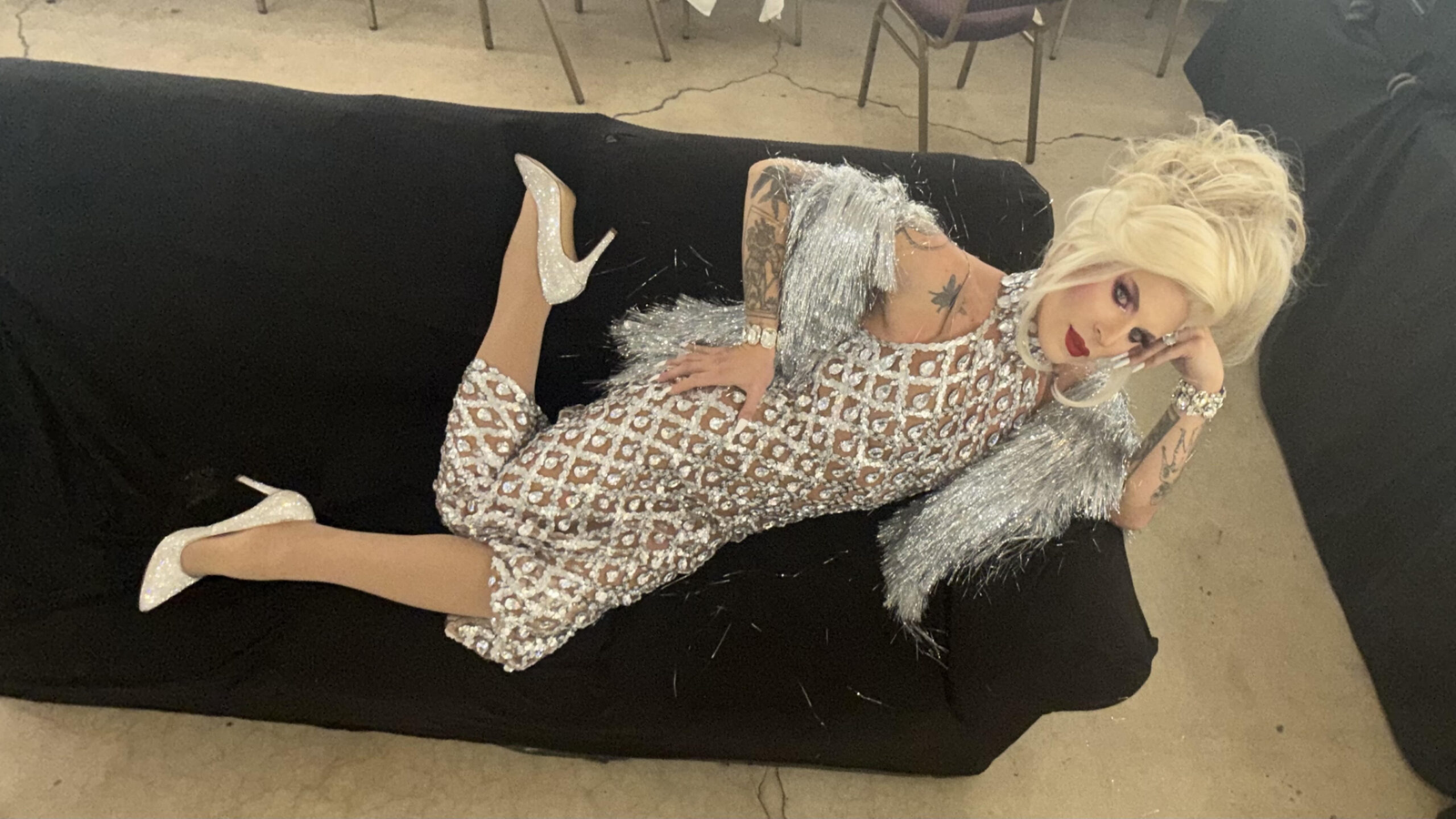
In an era where algorithms reward instant reactions, hot takes, and endless scrolling, thoughtful criticism has become increasingly rare. Social media encourages everyone to have an opinion, but not necessarily an informed one. Against this backdrop, Katya Zamolodchikova stands out as an unlikely but compelling cultural critic. Better known as the drag persona of Brian McCook, Katya has built a reputation through comedy, podcasts, interviews, and performances that blend absurd humor with surprisingly sharp observations about art, media, and modern life. Her recent reflections on the disappearance of “snobs” from culture have reignited an important conversation about taste, criticism, and intellectual curiosity.
Redefining the Word “Snob”
The word snob usually carries negative connotations. It suggests elitism, arrogance, and looking down on others. But Katya uses the term differently. She argues that society has lost people who care deeply about quality—individuals willing to challenge mediocre art, celebrate exceptional work, and encourage audiences to think more critically.
For Katya, being a “snob” is less about exclusivity and more about standards. It’s about refusing to accept that every piece of content deserves equal praise simply because it exists. In an online world driven by likes and engagement, this perspective feels surprisingly refreshing.
Humor as Cultural Criticism
Katya has always mastered the art of making audiences laugh while slipping in thoughtful commentary. Whether discussing horror films, literature, fashion, internet culture, or celebrity trends, she often moves effortlessly between absurd jokes and serious observations.
This balance is what makes her voice unique. She doesn’t lecture her audience or pretend to possess all the answers. Instead, she invites viewers into conversations where intelligence and comedy coexist. Her references range from classic literature and philosophy to cult horror films and contemporary internet memes, proving that high culture and pop culture don’t have to exist in separate worlds.
The Death of Taste
One of Katya’s most compelling arguments is that the internet has flattened cultural judgment. Streaming services, TikTok, YouTube, and social media platforms generate an endless flow of content. While this democratizes creativity, it also makes meaningful criticism harder to find.
Algorithms reward popularity rather than quality. Viral moments often overshadow carefully crafted work, and nuanced reviews are replaced by quick reactions designed to maximize clicks. Katya suggests that society needs more people willing to say, “This isn’t very good,” without fearing online backlash.
That doesn’t mean rejecting popular culture. Rather, it means engaging with it thoughtfully instead of consuming everything uncritically.
Why Audiences Trust Katya
Part of Katya’s appeal lies in her authenticity. Throughout her career, she has spoken openly about addiction, mental health, creativity, and the pressures of fame. That honesty gives weight to her opinions. Audiences know that behind the outrageous jokes is someone deeply interested in art, storytelling, and the human experience.
She never positions herself as an untouchable intellectual. Instead, she laughs at herself as much as she critiques the culture around her. That self-awareness prevents her observations from feeling pretentious.
The Importance of Cultural Critics
Every generation benefits from critics who challenge conventional thinking. Critics encourage artists to improve, audiences to think more deeply, and industries to maintain higher standards. Without criticism, culture risks becoming an endless cycle of disposable entertainment.
Katya’s comments highlight a broader issue: many people now confuse criticism with negativity. Constructive criticism isn’t about tearing things down; it’s about caring enough to distinguish between what’s meaningful and what’s forgettable.
History’s greatest cultural movements have often been shaped by people willing to question prevailing tastes rather than simply follow them.
Intelligence Without Pretension
One reason Katya resonates with such a wide audience is her ability to make intelligence entertaining. She references Russian literature one moment and internet memes the next. She can discuss psychological themes in horror movies before joking about reality television.
This fluidity reflects the modern cultural landscape, where boundaries between “high” and “low” art continue to blur. Katya embraces both worlds while encouraging audiences to appreciate craftsmanship wherever it appears.
A Voice for Curious Audiences
In today’s attention economy, curiosity is becoming a rare commodity. Many online platforms encourage passive consumption rather than active engagement. Katya pushes in the opposite direction.
Her conversations inspire viewers to read more, watch films more carefully, question trends, and develop personal taste instead of following algorithms. She reminds audiences that enjoying culture isn’t just about entertainment—it’s also about learning, questioning, and growing.
Why the Culture Needs More “Snobs”
Katya’s argument isn’t really about bringing back elitism. It’s about bringing back curiosity, discernment, and meaningful conversation. A healthy culture needs people who are passionate enough to defend great art, criticize weak ideas, and inspire others to think beyond what’s trending.
In an age where every opinion competes equally for attention, thoughtful criticism becomes more valuable than ever. Katya demonstrates that intellectual engagement doesn’t have to be boring, inaccessible, or self-important. It can be hilarious, strange, deeply personal, and endlessly entertaining.
Conclusion
Katya Zamolodchikova represents something increasingly uncommon in contemporary culture: someone who combines humor, vulnerability, intelligence, and genuine curiosity. Her call for the return of “snobs” is ultimately a call for higher standards—not in who gets to participate in culture, but in how seriously we engage with it.
Rather than accepting every trend at face value, Katya encourages audiences to cultivate taste, ask better questions, and appreciate art with greater intention. In a world overwhelmed by endless content, that kind of thoughtful perspective may be exactly what modern culture needs.